Comparing Electronic Music Branding Strategies: What Works Best?


Understanding Electronic Music Branding
Electronic music is a diverse and evolving genre that spans various styles and subcultures. As such, branding in this arena can be both challenging and rewarding. The right branding strategy can help artists connect with their audience, establish a unique identity, and stand out in a crowded market. But what works best?

Visual Identity: The Power of Imagery
Visual identity is crucial in electronic music branding. Artists often rely on striking visuals to capture the essence of their music. Logos, album covers, and promotional materials need to resonate with their target audience. Successful artists often use bold colors and futuristic designs to create a memorable image.
Consider the case of iconic electronic music festivals. They often use vibrant, dynamic visuals to convey the energy and excitement of their events. This strategy not only attracts attendees but also helps build a brand that is instantly recognizable.
Social Media Engagement
In today’s digital age, social media is indispensable for branding. Platforms like Instagram, TikTok, and Twitter allow electronic music artists to connect directly with fans. Engaging content, such as behind-the-scenes videos, live Q&A sessions, and interactive stories, can significantly enhance brand loyalty.
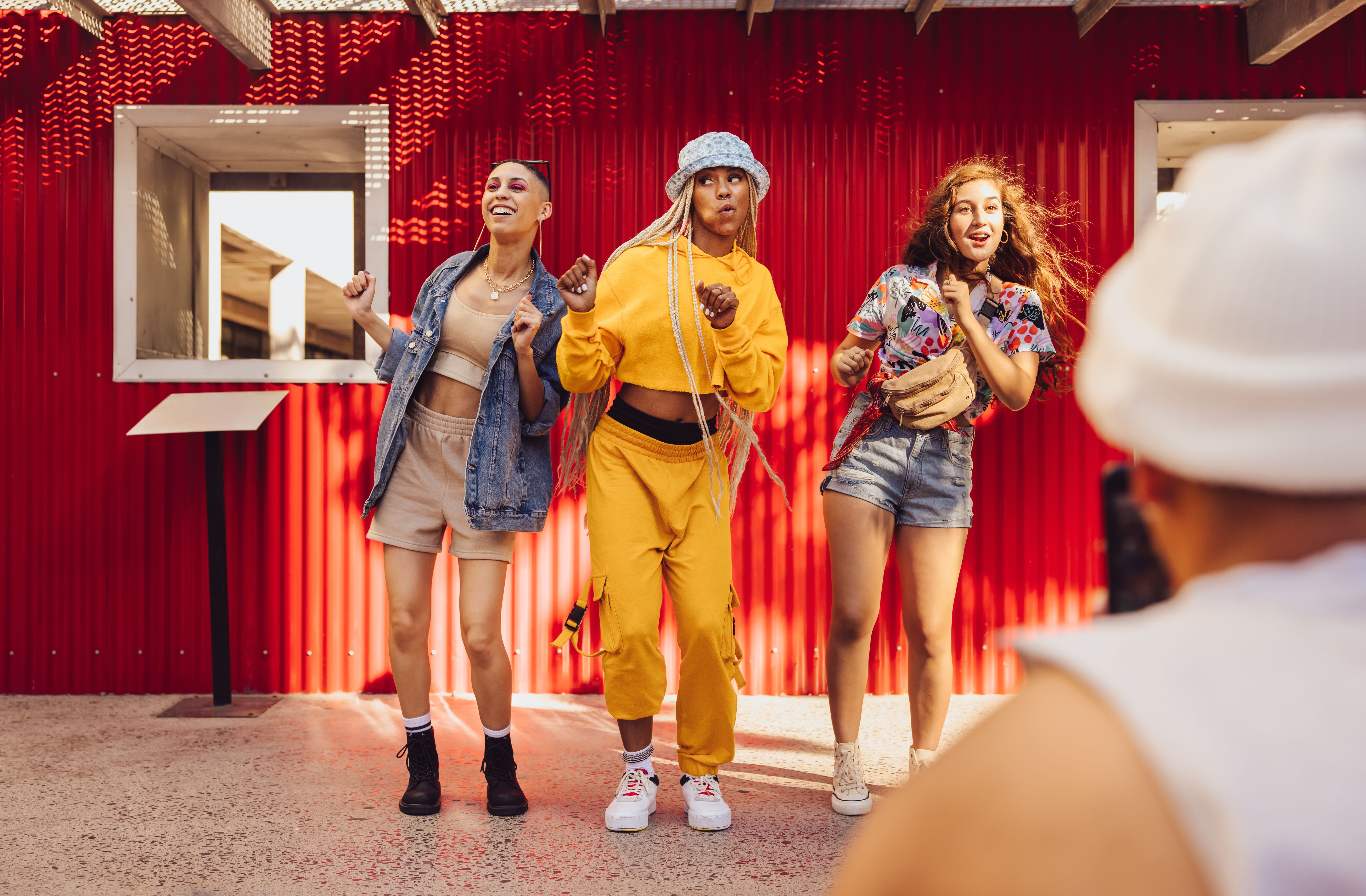
Electronic music artists who excel in social media engagement often leverage trends and collaborate with influencers to reach a wider audience. Consistent posting and personalized interactions help maintain a strong online presence.
Collaborations and Partnerships
Collaborations with other artists or brands can be a powerful strategy in electronic music branding. These partnerships can introduce artists to new audiences and create unique marketing opportunities. Successful collaborations often involve cross-genre projects or partnerships with fashion brands, tech companies, or even gaming platforms.
For example, some artists collaborate with visual artists to create immersive experiences that blend music and art. These collaborations not only enhance the brand but also offer fans a multi-sensory experience.

Merchandising and Unique Offerings
Merchandising is another key component of branding in electronic music. Offering unique, high-quality merchandise can enhance an artist's brand and provide additional revenue streams. Limited edition items, such as vinyl records, custom apparel, and exclusive digital content, can create a sense of exclusivity and urgency among fans.
Some artists even explore innovative products like virtual reality experiences or NFTs (non-fungible tokens) to engage with their audience in new ways. These offerings can set an artist apart and foster a deeper connection with fans.
Conclusion: Tailoring Strategies to Fit
Ultimately, the best branding strategy in electronic music depends on the artist’s unique style, audience, and goals. Whether through visual identity, social media engagement, collaborations, or merchandising, successful branding requires creativity and authenticity.
By understanding and implementing these strategies, electronic music artists can build a strong, recognizable brand that resonates with their audience and stands the test of time.