
Creating Immersive Digital Experiences: The Power of Interactive Web Design


The Rise of Interactive Web Design
In today's fast-paced digital world, capturing users' attention is more challenging than ever. This is where interactive web design steps in, transforming static websites into engaging, dynamic experiences. By incorporating interactive elements, businesses can not only attract users but also keep them engaged longer.
Interactive web design encompasses a range of techniques from simple animations to complex 3D environments. These elements invite users to participate rather than just observe, creating a more memorable experience. The goal is to make visitors feel like they are part of the story, rather than just spectators.

Core Elements of Interactive Design
At the heart of immersive digital experiences are several key components. Understanding and implementing these can significantly enhance user engagement:
- Microinteractions: These are small animations or design elements that respond to user actions, providing immediate feedback.
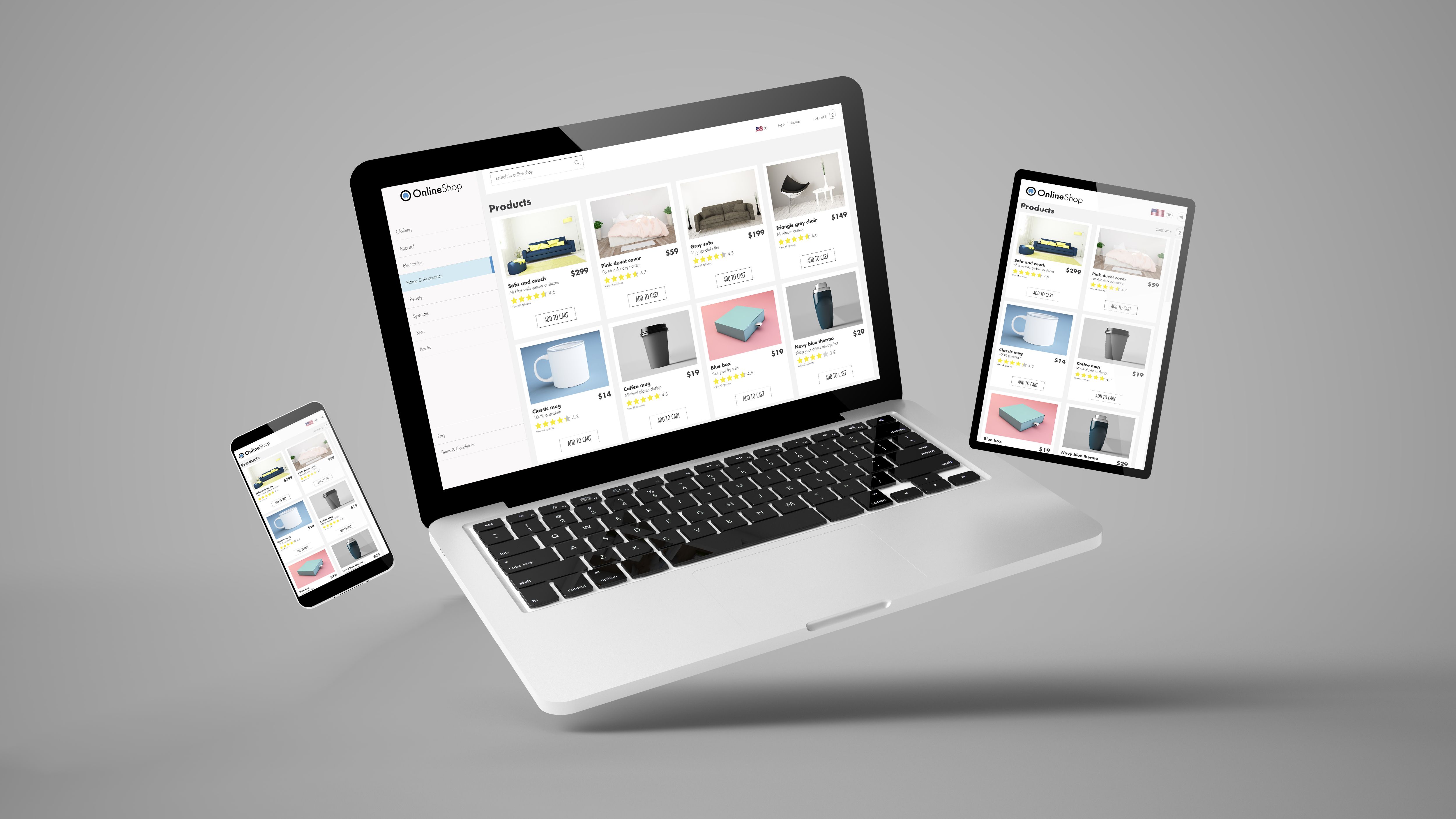
- Responsive Design: Ensures that websites look and function well on all devices, enhancing accessibility and user satisfaction.
- Dynamic Content: Content that changes based on user interaction or preferences, creating a personalized experience.
By integrating these elements, businesses can create a seamless and engaging user journey that encourages exploration and interaction.
Why Interactivity Matters
Interactive web design is more than just a trend; it's a necessity. In a digital landscape where users are bombarded with information, interactive elements help differentiate a brand. They not only capture attention but also improve user retention and conversion rates.
Moreover, interactive experiences can foster a deeper emotional connection with users. By engaging multiple senses and inviting participation, these designs can evoke emotions and create lasting memories. This emotional engagement is key to building brand loyalty and advocacy.
Implementing Interactive Features
To create an immersive digital experience, businesses should focus on incorporating interactive features that align with their brand message and user needs. Here are some strategies:
- Leverage storytelling to guide users through a narrative.
- Incorporate gamification elements to encourage participation.
- Utilize interactive videos and infographics to convey information dynamically.

These strategies, when executed thoughtfully, can transform a website into a vibrant digital ecosystem that resonates with users.
The Future of Interactive Web Design
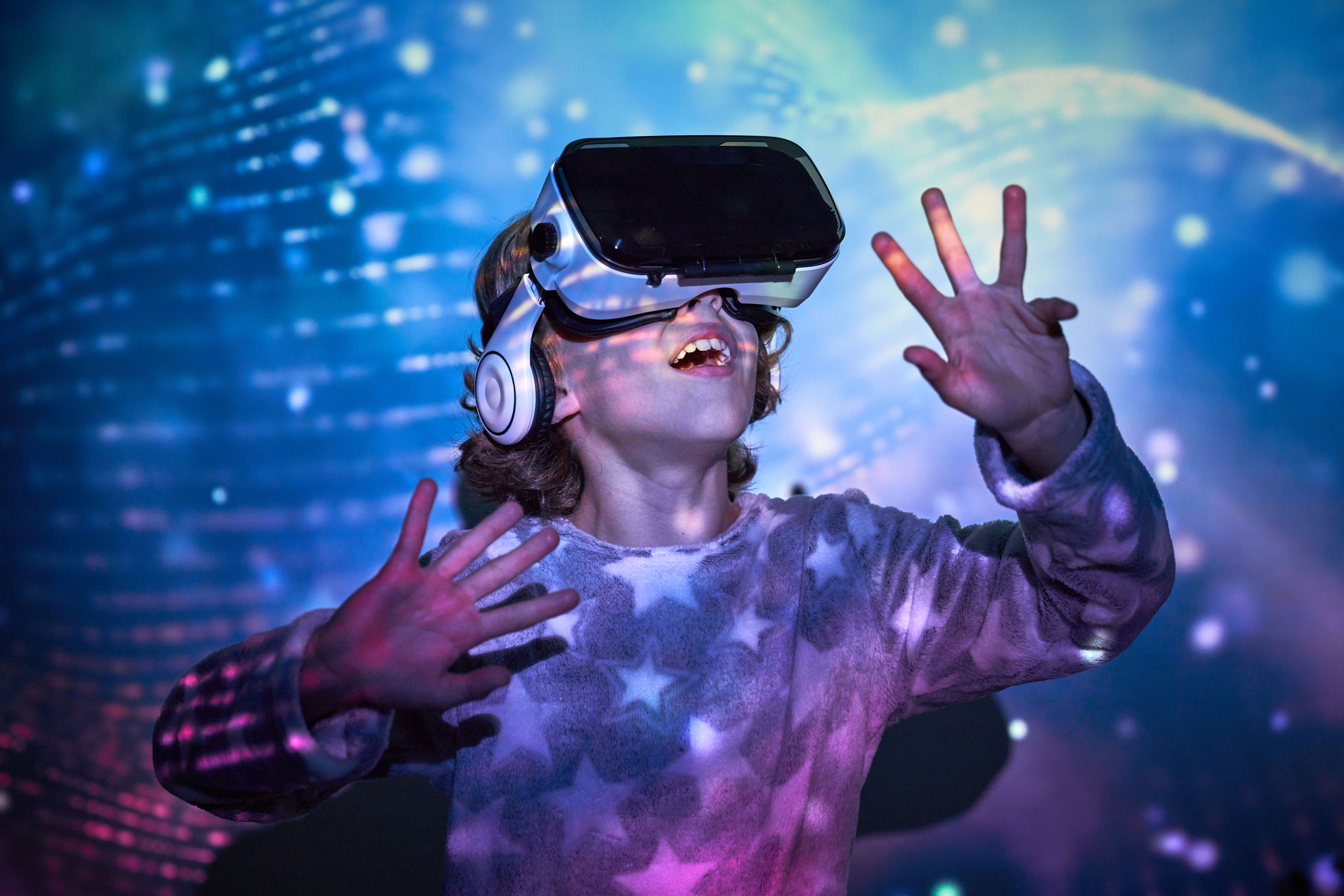
As technology continues to evolve, so too will the possibilities for interactive web design. Emerging technologies such as virtual reality (VR) and augmented reality (AR) offer exciting opportunities to create even more immersive experiences.
In the coming years, we can expect to see more websites incorporating these technologies, blurring the lines between the digital and physical worlds. As businesses embrace these advancements, they will be better equipped to captivate audiences and stay ahead of the competition.
In conclusion, the power of interactive web design lies in its ability to engage users in meaningful ways. By creating immersive digital journeys, businesses can not only attract but also retain their audience, fostering long-term relationships and driving success.