
Enhancing Local Impact: The Role of Leading Design Firms in Community Development


Introduction to Community Development Through Design
Community development is a multifaceted endeavor that seeks to enhance the quality of life for local populations. In this process, leading design firms play a critical role by bringing innovative solutions to urban planning, architecture, and public spaces. Their expertise not only transforms physical environments but also fosters social cohesion and economic growth.
Design firms contribute significantly by integrating sustainable practices and community-focused designs. Through collaboration with local stakeholders, these firms ensure that developments are not only aesthetically pleasing but also functional and inclusive.
Innovative Urban Planning
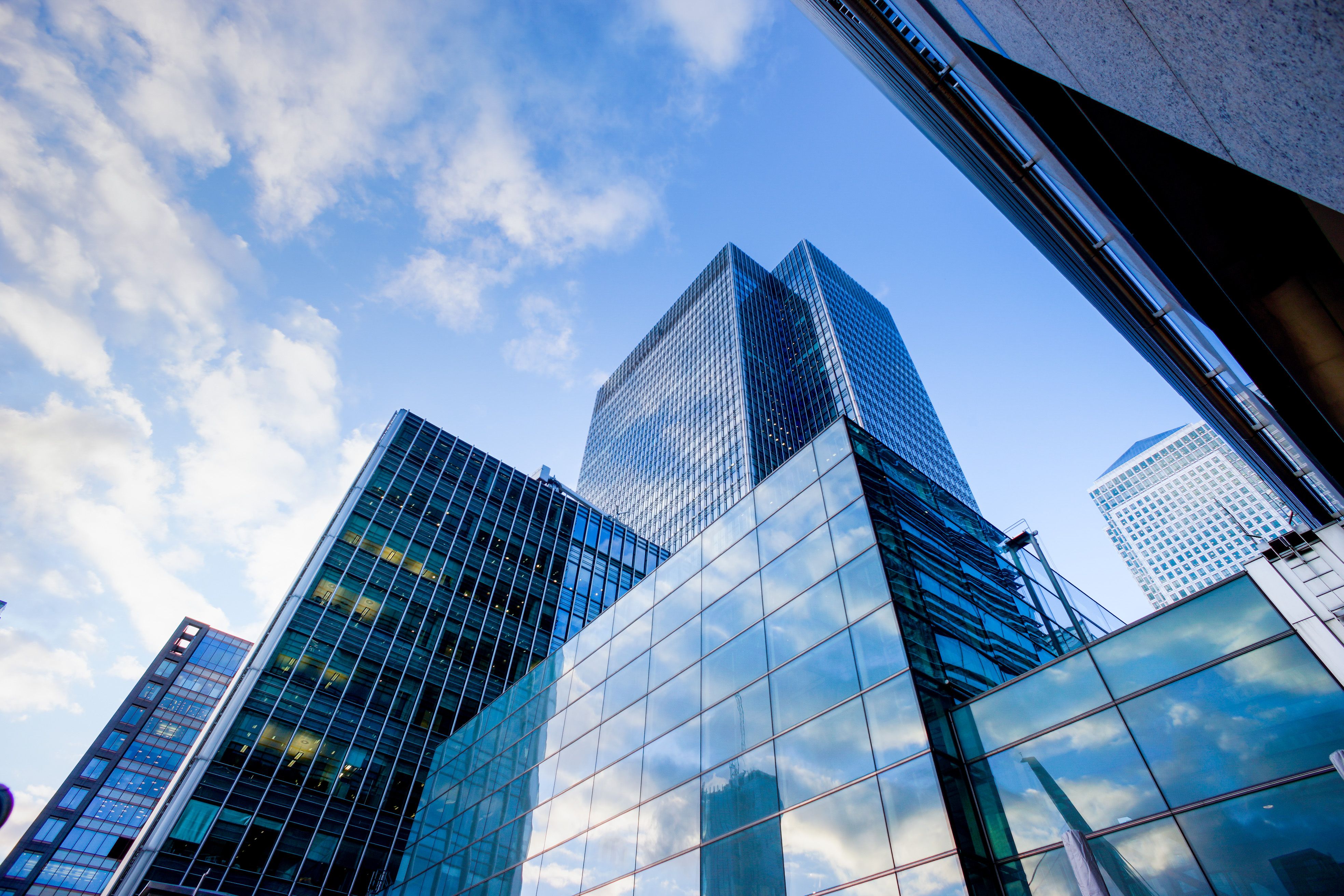
Urban planning is a complex process that requires a deep understanding of the community's needs and aspirations. Leading design firms employ innovative strategies to create spaces that are both functional and beautiful. They focus on maximizing land use, enhancing connectivity, and promoting sustainable practices.
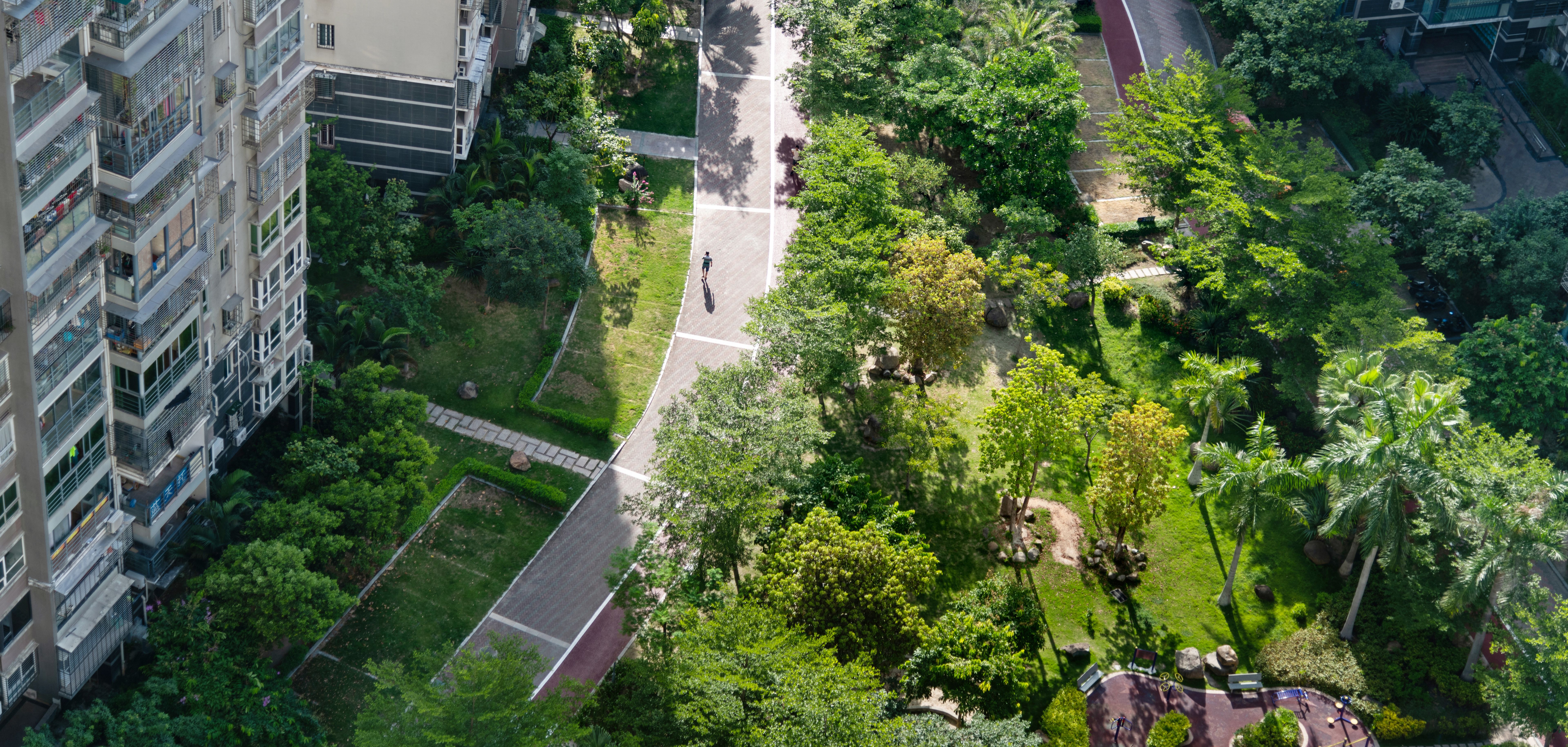
One key aspect of effective urban planning is the incorporation of green spaces. By designing parks and recreational areas, design firms provide residents with opportunities for relaxation and recreation, which are vital for mental and physical well-being.
Enhancing Public Spaces
Public spaces are the heart of any community, serving as gathering spots for social interaction, cultural expression, and leisure activities. Design firms enhance these spaces by ensuring they are accessible, safe, and vibrant. Public art installations, interactive exhibits, and multifunctional areas are just a few examples of how design can invigorate community spaces.
Moreover, the inclusion of features such as benches, lighting, and landscaping can transform previously underutilized areas into bustling community hubs. This transformation not only improves the aesthetic appeal but also encourages greater community engagement.
Sustainable Design Practices
Sustainability is at the forefront of modern design practices. Leading firms are committed to reducing environmental impact through the use of eco-friendly materials, energy-efficient technologies, and sustainable construction methods. These practices not only benefit the environment but also reduce long-term costs for communities.
Additionally, sustainable design often involves the repurposing of existing structures, preserving historical architecture while meeting modern needs. This approach maintains the cultural heritage of a community while providing new and improved functionalities.

Community Engagement and Collaboration
Successful community development projects rely heavily on collaboration between design firms, local governments, and residents. Engaging the community in the planning process ensures that developments reflect local values and needs. Public consultations, workshops, and feedback sessions are integral components of this collaborative approach.
By fostering open communication, design firms can create inclusive spaces that resonate with the community. This collaboration builds trust and ensures that the development serves the best interests of its residents.
Impact on Economic Growth
Design firms contribute to local economies by attracting businesses and tourists through well-designed spaces. A vibrant community with appealing public areas and efficient infrastructure draws visitors and potential investors, leading to increased economic activity.
Moreover, construction and design projects create jobs, providing employment opportunities for local residents. This economic boost can lead to further investments in community services and infrastructure, creating a positive cycle of growth and development.
Conclusion
The role of leading design firms in community development is pivotal. By integrating innovative urban planning, enhancing public spaces, and promoting sustainable practices, these firms significantly contribute to the vitality and resilience of communities. Their work not only transforms the physical environment but also strengthens social ties and drives economic progress.
As communities continue to evolve, the collaboration between design firms and local stakeholders will remain essential in creating spaces that are both beautiful and functional, ensuring a brighter future for all.