
Integrating Human and Machine Creativity: Lessons from ProfessorClock Media


Understanding the Fusion of Human and Machine Creativity
In an era where technology is rapidly transforming every industry, integrating human and machine creativity has become a forefront innovation strategy. ProfessorClock Media, a pioneer in this space, offers valuable insights into how these two creative forces can be harmonized to achieve remarkable outcomes.
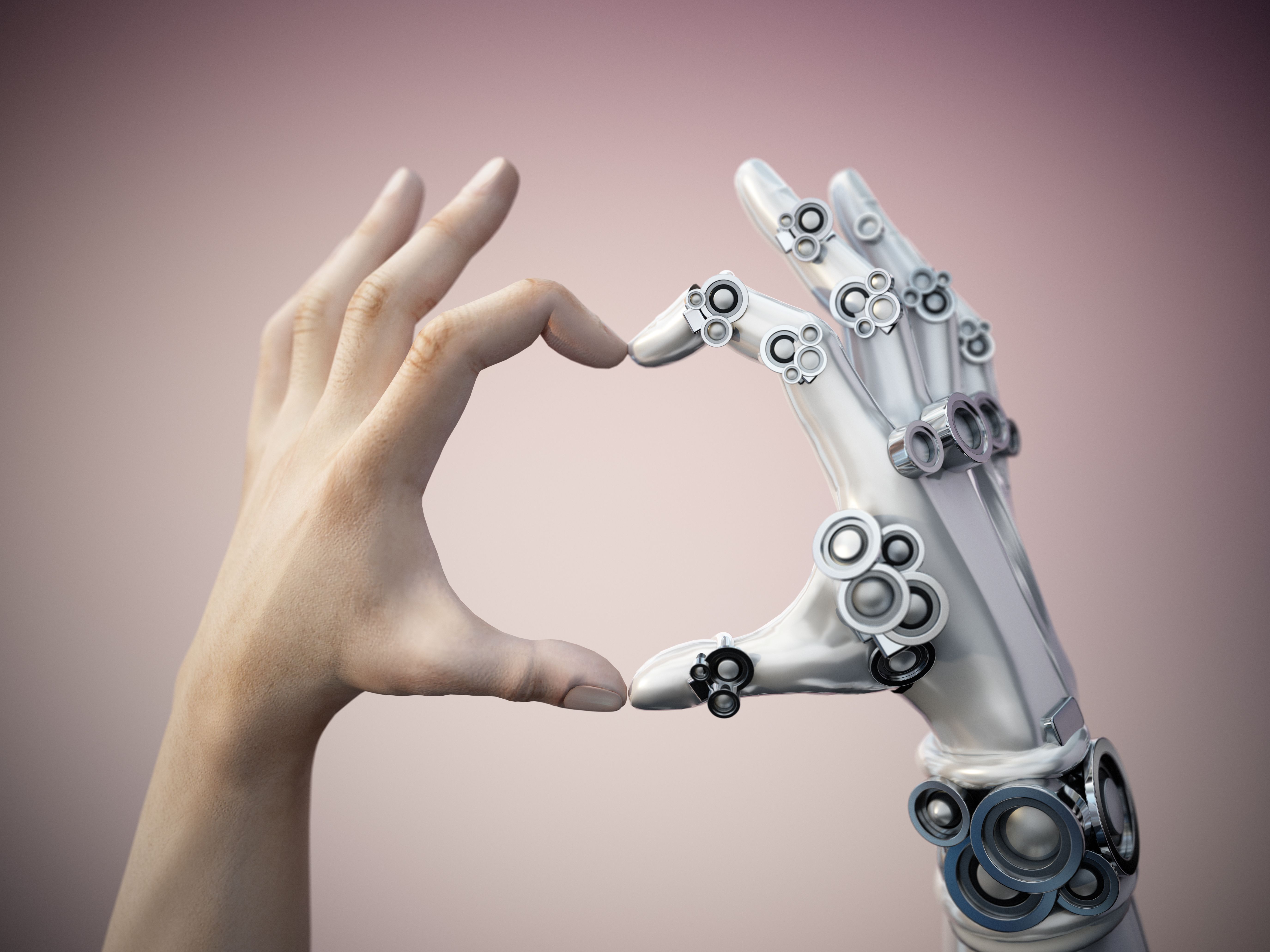
Human creativity is often characterized by its emotional depth and the ability to generate ideas that resonate with cultural and personal experiences. On the other hand, machine creativity is defined by its ability to analyze vast amounts of data quickly and generate solutions that might not be immediately apparent to humans. Combining these strengths can lead to groundbreaking innovations.
Leveraging the Strengths of Both Worlds
The key to successful integration lies in understanding the unique strengths each brings to the table. **Humans excel** at abstract thinking, emotional intelligence, and storytelling, which are crucial for developing ideas that connect with audiences on a personal level. Machines, however, can process and analyze data at an unprecedented scale, identifying patterns and possibilities that humans might overlook.
ProfessorClock Media utilizes a hybrid approach, where human creativity sets the strategic direction and machines enhance execution through advanced analytics and automation. This synergy not only speeds up the creative process but also enriches it with deeper insights.
Real-World Applications and Success Stories
ProfessorClock Media has successfully implemented this integrated approach across various projects. For instance, in their advertising campaigns, human-led brainstorming sessions are complemented by AI-driven data analysis to identify the most effective messaging and channels.
Another example is in content creation, where AI tools assist writers by suggesting topics based on trending data, leaving the human touch to craft engaging narratives. This results in content that is both relevant and emotionally engaging.

Challenges in Integrating Human and Machine Creativity
Despite its advantages, integrating human and machine creativity is not without challenges. One of the major hurdles is ensuring effective communication between the two entities. Machines lack intuition, which can sometimes lead to misinterpretation of creative goals.
Moreover, there is a learning curve involved in training teams to effectively utilize AI tools. ProfessorClock Media addresses this by providing comprehensive training and fostering a culture of collaboration where both human and machine inputs are valued.
The Future of Creative Collaboration
The future of creativity lies in this seamless integration. As AI technology continues to evolve, its role in the creative process will become even more significant, offering new tools and capabilities for human creators.
ProfessorClock Media envisions a future where creativity is a collaborative effort between humans and machines, leading to innovations that are not only technically advanced but also deeply human-centric.
In conclusion, the lessons from ProfessorClock Media highlight that the harmonious blend of human and machine creativity can lead to unprecedented innovation. By embracing the strengths of both, businesses can unlock new levels of creativity and efficiency.