
Top Trends in Electronic Music: Insights from Media Forecasting Experts


Emerging Genres in Electronic Music
As electronic music continues to evolve, new genres are constantly emerging, reshaping the soundscape. One of the most significant trends is the rise of micro-genres, which blend elements from various styles to create something entirely new. From future bass to chillwave, these genres are gaining traction among listeners seeking unique auditory experiences.
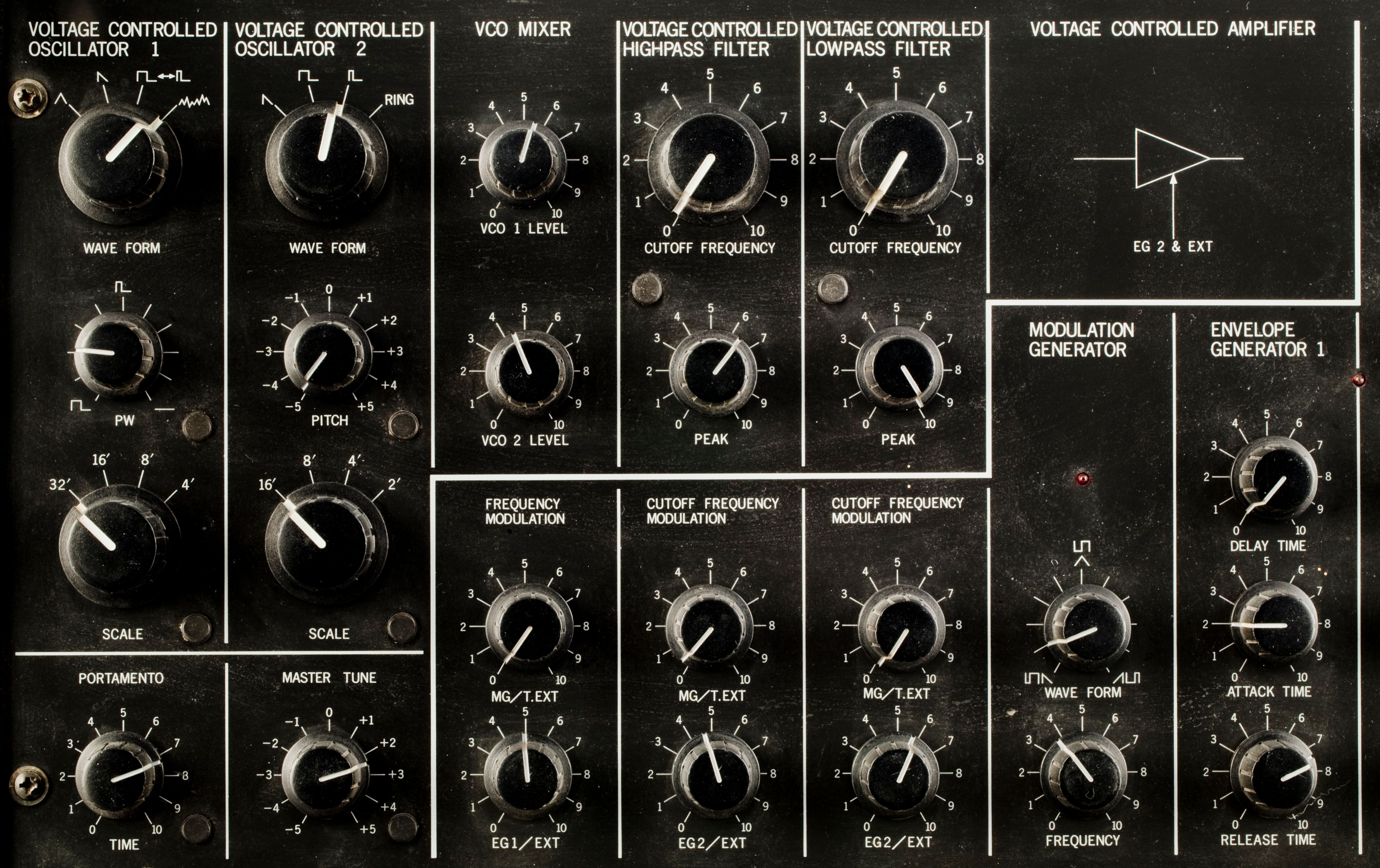
Another notable trend is the resurgence of retro influences. Artists are increasingly drawing inspiration from the sounds of the '80s and '90s, incorporating vintage synths and drum machines into their music. This nostalgia-driven approach resonates with both older audiences and younger fans discovering these sounds for the first time.
The Role of Technology in Shaping Sounds
Technology continues to play a crucial role in the development of electronic music. The advent of AI and machine learning has opened new avenues for creativity. Producers can now experiment with AI-generated sounds, pushing the boundaries of what is possible in music production.
Moreover, the accessibility of advanced software tools has democratized music creation. Aspiring musicians can now access powerful digital audio workstations and plugins, enabling them to produce high-quality tracks from their home studios. This shift has led to a surge in independent artists contributing to the diversity of the genre.

Live Performances and Virtual Experiences
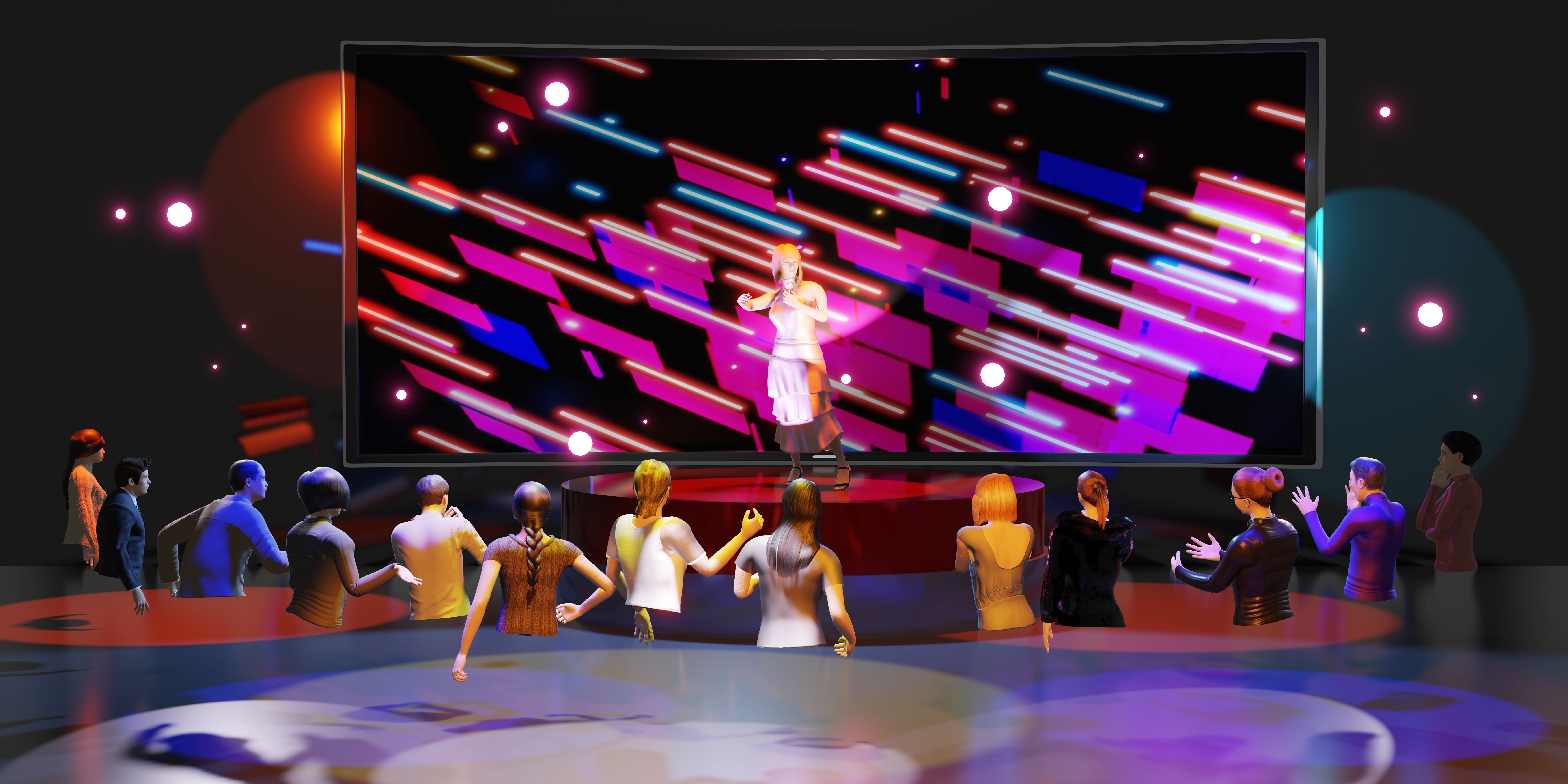
Live performances in electronic music have also undergone significant transformation. With the pandemic accelerating the shift towards virtual experiences, artists are exploring innovative ways to engage audiences online. Virtual concerts and festivals have become popular, offering fans immersive experiences from the comfort of their homes.
In addition, advancements in augmented and virtual reality are setting the stage for the future of live electronic music events. These technologies promise to enhance audience interaction and provide unique, multisensory experiences that go beyond traditional live shows.
The Influence of Global Cultures
Electronic music is increasingly influenced by global cultures, resulting in a rich tapestry of sounds. Artists are incorporating elements from various musical traditions, from African rhythms to Asian melodies, creating a fusion that appeals to a broad audience.
This globalization of sound is also reflected in the growing popularity of cross-cultural collaborations. Musicians from different parts of the world are teaming up to produce tracks that blend diverse influences, contributing to the genre's evolution and expansion.

Sustainability and Ethical Production
As awareness of environmental issues grows, sustainability is becoming an important consideration in electronic music production. Artists and producers are increasingly adopting eco-friendly practices, such as minimizing energy consumption and using sustainable materials for physical releases.
Additionally, there is a growing movement towards ethical production, with artists advocating for fair compensation and working conditions for all involved in the music-making process. This shift reflects a broader trend of social responsibility within the music industry.